Global industries increasingly rely on precision CNC machined parts OEM suppliers to deliver components that meet exacting specifications for performance, durability, and safety. Whether your application demands precision components for aerospace that withstand extreme conditions, medical device precision parts China manufacturers producing implantable-grade components, or automotive CNC machined components optimized for high-volume production, China has emerged as a premier destination for precision manufacturing. This comprehensive guide explores the full spectrum of precision machining capabilities, quality standards, and best practices for successful global sourcing.
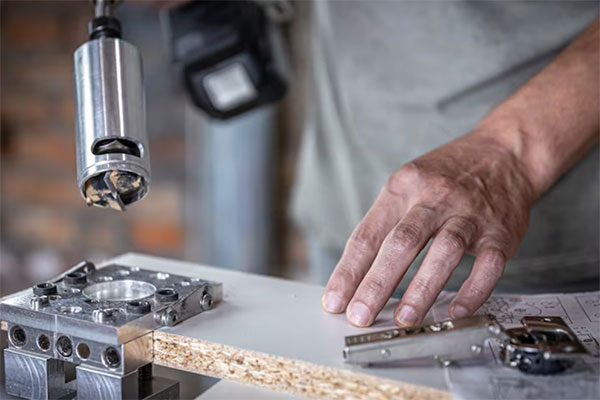
Over the past two decades, precision machining services from China have transformed from basic turning and milling operations to sophisticated, multi-axis CNC machining centers equipped with in-process inspection, automated tool management, and real-time quality monitoring. Chinese manufacturers have invested heavily in advanced equipment from leading machine tool builders such as DMG MORI, Mazak, Okuma, Haas, and Doosan, as well as domestic brands like Shenyang Machine Tool and Dalian Machine Tool Group. This investment, combined with a skilled workforce and competitive cost structure, positions China as a strategic sourcing destination for OEMs worldwide.
The typical precision CNC machined parts OEM facility in China today operates under internationally recognized quality management systems—ISO 9001, AS9100 for aerospace, ISO 13485 for medical devices, and IATF 16949 for automotive. Many have achieved additional certifications such as ISO 14001 (environmental management) and ISO 45001 (occupational health and safety), demonstrating commitment to sustainable and responsible manufacturing practices.
When evaluating potential suppliers, look for these key equipment categories:
5-Axis CNC Machining Centers: Enable complex geometries in a single setup, reducing fixturing costs and improving accuracy through reduced re-fixturing errors.
Swiss-Type Automatic Lathes: Ideal for small-diameter, long, or complex turned parts typical in medical devices and optical equipment.
Multi-Tasking Mill-Turn Centers: Combine turning, milling, drilling, and gear cutting capabilities, ideal for complex rotational parts.
High-Speed VMCs: Spindle speeds up to 30,000 RPM for fine finishing and machining of aluminum and plastics.
EDM (Wire and Sinker): For hard materials, deep ribs, and features impossible with conventional cutting tools.
Coordinate Measuring Machines (CMM): Bridge-type, gantry, or portable arms for dimensional verification.
Vision Measurement Systems: For rapid measurement of small or complex features.
Many high-performance applications begin with a forging rather than bar stock or casting. A qualified custom metal forgings manufacturer produces near-net shapes with refined grain flow, eliminating internal voids and improving directional strength. For critical components in aerospace, automotive powertrains, and industrial equipment, forged blanks followed by precision CNC machining provide optimal mechanical properties at reasonable cost.
Forging processes commonly available through Chinese custom metal forgings manufacturer partners include:
Closed-Die (Impression-Die) Forging: Produces complex shapes with excellent dimensional repeatability, suitable for high-volume production runs.
Open-Die Forging: For larger components where quantity does not justify closed-die tooling investment.
Seamless Rolled Ring Forging: For bearing races, gear blanks, and flanges with circumferential grain orientation.
Upset Forging: For valve bodies, fasteners, and components requiring increased cross-sectional area at specific locations.
Precision (Cold) Forging: Produces parts requiring minimal subsequent machining, ideal for small-to-medium components in automotive and industrial applications.
Leading custom metal forgings manufacturer suppliers in China work with a broad spectrum of materials:
Carbon and alloy steels (1045, 4140, 4340, 8620)
Stainless steels (304, 316, 17-4PH, 410, 416)
Aluminum alloys (6061, 7075, 2014, 2024)
Titanium alloys (Grade 2, Grade 5 Ti-6Al-4V)
Nickel-based superalloys (Inconel 718, 625; Monel 400, K500)
Copper alloys (brass, bronze, beryllium copper)
High-temperature alloys for aerospace and power generation
After forging, components typically undergo heat treatment (normalizing, annealing, quenching and tempering, solution treating and aging) to achieve required mechanical properties, followed by CNC machining to final tolerances.
The aerospace sector represents the highest tier of manufacturing difficulty. Precision components for aerospace must survive extreme temperature ranges (-65°C to +1150°C), high-cycle fatigue, vibration, corrosion, and pressure differentials—all while maintaining dimensional stability over decades of service. Component failure is not an option, making supplier qualification rigorous and ongoing.
Typical precision components for aerospace produced by Chinese CNC machining suppliers include:
Structural brackets and mounting plates (airframe and engine)
Fuel and hydraulic system manifolds and fittings
Actuator housings and piston rods
Landing gear components (forged and machined)
Avionics enclosures and chassis
Engine mount brackets and linkage components
Control surface hinges and bearing housings
Fasteners, threaded inserts, and custom hardware
When sourcing precision components for aerospace from China, demand these credentials:
AS9100D: The aerospace-specific quality management standard, mandatory for any serious aerospace supplier.
NADCAP: Special process accreditation (heat treating, finishing, non-destructive testing) often required by prime contractors.
ITAR Compliance: For defense-related components, verify the supplier is registered and follows ITAR requirements for handling technical data.
Customer Approvals: Many Chinese precision machining shops hold direct approval from major OEMs like Boeing, Airbus, GE Aviation, Honeywell, and Safran.
Aerospace components frequently specify advanced materials that challenge standard machining practices:
Aluminum 7075-T7351: High-strength aluminum for airframe structures. Requires stress-relief machining strategies to prevent distortion.
Titanium Ti-6Al-4V: Excellent strength-to-weight ratio and corrosion resistance. Requires rigid setups, carbide tooling, and high-pressure coolant. Slow cutting speeds (30-60 m/min) compared to aluminum (300-800 m/min).
Inconel 718: Retains strength at high temperatures for turbine section components. Demands ceramic or coated carbide tooling, low speeds, and aggressive chip evacuation.
Stainless Steels (15-5PH, 17-4PH, 304L, 316L): Used for hydraulic components, structural fittings, and fasteners. 15-5PH and 17-4PH offer high strength after precipitation hardening.
Special processes for aerospace components often include:
Non-destructive testing (ultrasonic, fluorescent penetrant, eddy current, magnetic particle)
Surface finishing (anodizing, passivation, chemical milling, shot peening)
Heat treatment with furnace certification and temperature uniformity surveys
Full material traceability from mill certificate to finished part
The global medical device industry sources billions of dollars of components annually from medical device precision parts China manufacturers. From surgical instruments and orthopedic implants to diagnostic equipment and drug delivery systems, these components demand exceptional cleanliness, biocompatibility, and documentation traceability. ISO 13485 certification is the baseline, with many suppliers also complying with FDA Quality System Regulation (21 CFR Part 820) and MDSAP (Medical Device Single Audit Program) requirements.
Typical products from medical device precision parts China suppliers include:
Orthopedic implants (knee, hip, shoulder, spine components) in titanium, cobalt-chrome, or PEEK
Surgical instruments (forceps, scissors, retractors, saw blades, drill bits)
Endoscopic and laparoscopic instrument shafts and articulation mechanisms
Dental implant abutments, prosthetic frameworks, and surgical guides
Cardiovascular device components (stent crimping tools, catheter hubs, introducer sheaths)
Drug delivery device mechanisms (pen injectors, auto-injectors, inhaler components)
Laboratory and diagnostic instrument mechanical assemblies
Biocompatibility and sterilizability drive material choices:
Stainless Steel 316L: Low carbon, vacuum-melted version for surgical instruments and non-implantable devices. Excellent corrosion resistance and sterilizability (autoclave, gamma, EtO).
Titanium Grade 23 (Ti-6Al-4V ELI): Extra-low interstitial grade for long-term implants. Excellent osseointegration and MRI compatibility.
Cobalt-Chrome Alloys (ASTM F75, F1537): High wear resistance for orthopedic bearing surfaces (hip and knee replacement).
PEEK (Polyetheretherketone): Radiotransparent, lightweight, modulus similar to bone. Used for spinal cages and trauma fixation devices.
Medical-Grade Plastics (Delrin, POM, UHMWPE, PTFE): For single-use devices and non-implantable components.
Medical device precision parts China suppliers serving implantable or critical applications typically offer:
Validated cleaning processes (ultrasonic, spray wash, multi-stage rinsing with WFI water)
Class 7 or Class 8 cleanroom assembly and packaging
Bioburden testing and endotoxin testing per ISO 11737
Sterile packaging (Tyvek/polyethylene pouches) with gamma or EtO sterilization compatibility
Individual part traceability via laser marking (UID per UDI requirements)
Expect your medical device precision parts China partner to provide a comprehensive quality documentation package including material certifications (with lot traceability), first article inspection report (FAIR), process validation documentation (IQ/OQ/PQ for critical processes), certificate of conformance (CoC), and cleaning validation report.
The automotive industry demands high-volume, cost-effective production of automotive CNC machined components without compromising quality or reliability. From internal combustion engine and transmission components to electric vehicle (EV) powertrain parts, automotive CNC machined components are produced by the millions annually. Chinese suppliers have become dominant players in this space, leveraging lean manufacturing, automation, and IATF 16949 quality systems.
Common automotive CNC machined components sourced from China:
Engine components (cylinder heads, blocks, connecting rods, camshafts, crankshafts)
Transmission components (gears, shafts, clutch hubs, valve bodies, selector forks)
Brake system components (caliper housings, master cylinders, ABS modulator bodies)
Fuel system components (injector bodies, fuel rails, high-pressure pump parts)
Turbocharger components (compressor wheels, turbine housings, bearing housings)
Electric vehicle components (motor housings, battery terminal connectors, busbars, cooling plates)
Suspension and steering components (knuckles, control arms, tie rod ends)
Successful automotive CNC machined components suppliers employ:
Multi-spindle CNC lathes and rotary transfer machines: Produce complex turned parts in seconds rather than minutes.
Automated workholding and part loading: Robotic or gantry loaders reduce labor costs and eliminate variability.
In-process gauging and adaptive control: Probes measure parts during production; CNC offsets adjust automatically to maintain tolerances.
Statistical Process Control (SPC): Real-time monitoring of critical dimensions with automated alerts when processes drift.
Cellular manufacturing: Grouping machines by part families minimizes material handling and work-in-progress inventory.
Quick changeover (SMED): Reduce setup times to minutes, enabling economical small-batch production alongside high-volume runs.
For electric vehicle applications, automotive CNC machined components increasingly include lightweight aluminum and magnesium parts to improve range, as well as high-voltage busbars and cooling plates machined from copper and aluminum alloys. The shift to EVs also reduces demand for traditional engine and transmission parts while increasing demand for precision-machined battery and thermal management components.
High-speed rail systems operate at speeds exceeding 300 km/h, subjecting components to extreme dynamic loads, vibration, and thermal cycling. A qualified high-speed rail precision parts supplier must meet stringent safety and reliability standards, typically governed by national railway authorities (CRCC in China, AAR in North America, ERA in Europe, and individual railway operators). ISO/TS 22163 (IRIS - International Railway Industry Standard) certification is the global benchmark for rail component suppliers.
Critical components supplied by a high-speed rail precision parts supplier include:
Braking system components (brake discs, calipers, friction backing plates)
Wheelset components (axle housings, bearing adapters, journal boxes)
Coupler and drawgear systems (coupler heads, draft gears, yokes)
Suspension components (coil springs, air spring mounting plates, dampers)
Pantograph current collector assemblies (contact strips, linkages, insulators)
Door operating mechanisms (gearboxes, linkages, locking mechanisms)
Interior fittings (seat mounting brackets, handrail stanchions, luggage rack supports)
Railway applications specify materials with proven fatigue performance and impact toughness:
Forged steel grades: AAR M-201, DIN EN 13261 for wheelset axles; AAR M-126 for couplers.
Cast steel and ductile iron: For brake discs and suspension components requiring complex shapes.
Stainless steels (301, 304, 316): For interior and exterior trim requiring corrosion resistance.
Aluminum extrusions (6061, 6005A, 6082): For interior structural components and fairings.
Non-destructive testing (NDT) is mandatory for rail safety components:
Magnetic particle inspection (MPI) for surface and near-surface defects in ferromagnetic parts
Ultrasonic testing (UT) for internal flaws in axles, brake discs, and couplers
Liquid penetrant inspection (LPI) for non-ferrous or non-magnetic materials
Eddy current testing for crack detection in conductive materials
Radiographic testing (X-ray) for castings and weldments
Industrial equipment operates in harsh conditions: heavy loads, abrasive dust, chemical exposure, temperature extremes, and continuous duty cycles. Custom industrial equipment parts are typically lower volume than automotive or consumer products but larger in physical size and manufactured from tougher materials. Many custom industrial equipment parts begin as castings, fabrications, or forgings before finish CNC machining.
Examples of custom industrial equipment parts produced by precision CNC machining:
Hydraulic cylinder components (bodies, pistons, rod ends, gland nuts)
Pump components (housings, impellers, wear plates, shaft sleeves)
Valve components (bodies, stems, seats, bonnets, actuators)
Gearbox and power transmission components (housings, gears, shafts, bearing retainers)
Conveyor system components (rollers, sprockets, pulleys, drive shafts)
Mining and aggregate equipment parts (crusher liners, screen decks, feeder pans)
Packaging machinery components (forming tubes, sealing jaws, cutting blades)
Industrial parts often exceed the capacity of standard machine tools. Reputable custom industrial equipment parts suppliers maintain:
Large-bed CNC vertical machining centers (travel up to 3000mm X, 2000mm Y, 1000mm Z)
Horizontal boring mills (spindle diameters 110mm-160mm) for heavy material removal
CNC lathes with swing diameters exceeding 1000mm and between-centers capacity exceeding 5000mm
Gantry-type machining centers for oversized plate and fabricated components
Floor-type boring machines for components weighing several tons
Gear cutting equipment (hobbing, shaping, broaching, gear grinding)
Materials for custom industrial equipment parts prioritize wear resistance, impact toughness, and corrosion resistance:
Carbon steels (A36, 1045, 4140, 4340)
Tool steels (D2, A2, O1, S7) for wear-resistant components
Stainless steels (304, 316, 17-4PH) for corrosive environments
Bronze alloys (C932, C954, C955) for bearings and bushings
Engineering plastics (Nylon, Acetal, UHMWPE, PEEK) for lightweight or non-marring parts
The optical and photographic equipment industry demands extreme precision in both dimensions and surface characteristics. Optical & photographic equipment parts require stable geometries across temperature ranges, non-reflective surfaces to prevent stray light, and precise alignment features measured in microns. Many optical & photographic equipment parts are produced in small to medium volumes, ranging from hundreds to tens of thousands of units annually.
Typical optical & photographic equipment parts machined by precision CNC processes:
Lens barrels, focusing helicoids, and cam mechanisms
Aperture blade carriers, actuator components, and shutter mechanisms
Camera body chassis, mirror boxes, and mounting flanges
Optical mountings, kinematic mounts, and adjustment stages
Filter threads, adapter rings, and lens hoods
Gimbal and stabilization system components (drones, handheld stabilizers)
Microscope stages, nosepieces, and focusing mechanisms
Telescope focuser drawtubes, baffles, and cell mounts
Materials for optical & photographic equipment parts are chosen for dimensional stability, machinability, and coating compatibility:
Aluminum 6061-T6 and 7075-T6: Lightweight, excellent machinability, accepts black anodizing for non-reflective surfaces. 7075 offers higher strength for thinner wall sections.
Brass (C36000 free-cutting): Dense, vibration-damping, ideal for lens barrels and helicoids. Can be black oxide coated or nickel-plated.
Stainless steel (303, 304, 416): Used for thin-walled components requiring high stiffness and corrosion resistance. 416 is free-machining and hardenable.
Engineering plastics (Delrin, POM, PEEK, PTFE): Lightweight, self-lubricating, used for focus mechanisms, sliding components, and electrical insulation.
Optical & photographic equipment parts often require tolerances at the limits of conventional CNC machining:
Concentricity between internal diameters: ≤0.005mm (5 microns)
Thread runout relative to bore axis: ≤0.01mm
Surface finish on bearing surfaces: Ra 0.4μm or better
Perpendicularity of mounting flanges to optical axis: ≤0.005mm per 100mm diameter
Burr-free edges on aperture blade slots and other fine features
Leading suppliers of optical & photographic equipment parts use high-speed machining with micro-tooling (end mills as small as 0.3mm diameter) and implement strict deburring processes including thermal energy method (TEM) or electrochemical deburring for inaccessible features. They also maintain controlled environments (temperature and humidity) to prevent thermal expansion from affecting measurements.
The marine environment is uniquely aggressive: continuous exposure to saltwater, UV radiation, biofouling organisms, and galvanic corrosion between dissimilar metals. Yacht & marine precision components must resist pitting, crevice corrosion, and stress corrosion cracking while often maintaining aesthetic appearance for visible deck hardware. Yacht & marine precision components range from functional mechanical parts below the waterline to decorative trim elements in guest areas.
Common yacht & marine precision components produced by CNC machining:
Propeller shafts, shaft seals, and cutless bearings
Rudder stocks, pintle bearings, and steering system components
Winch drums, gear trains, and clutch components
Deck hardware (cleats, chocks, stanchion bases, pad eyes)
Engine mounts and vibration isolation components
Heat exchanger end caps, seawater pump housings, and strainer bodies
Steering system components (helm pumps, cylinder mounts, tiller arms)
Custom fittings for rigging, rail systems, and canvas attachments
Material selection for yacht & marine precision components directly determines service life:
316L Stainless Steel: The marine industry standard. Low carbon prevents sensitization after welding. For higher strength, 17-4PH (precipitation-hardened) offers good corrosion resistance plus high tensile strength (up to 1100 MPa).
Duplex Stainless Steels (2205, 2507): Superior pitting resistance (PREN > 35). Used for high-load underwater components like propeller shafts and rudder stocks. Higher strength allows thinner sections.
Aluminum Bronze (C95400, C95500): Excellent seawater corrosion resistance, high strength, and galling resistance. Common for valve bodies, pump impellers, and bearing cages.
Nickel-Aluminum Bronze: Even higher strength and cavitation erosion resistance, specified for controllable pitch propeller components and high-speed craft fittings.
Grade 5 Titanium (Ti-6Al-4V): Virtually immune to seawater corrosion, used for high-performance fittings, fasteners, and underwater components on racing yachts and superyachts.
Marine-Grade Aluminum (5083, 6061, 6082): Used for superstructure components, radar arches, and lightweight deck fittings where strength requirements are moderate. 5083 offers excellent weldability and corrosion resistance.
When sourcing yacht & marine precision components, verify your manufacturer understands galvanic compatibility—mixing dissimilar metals without proper isolation (insulating gaskets, coatings, or sacrificial anodes) accelerates corrosion. Also confirm passivation procedures for stainless steel parts to remove free iron from machining and surface finishing processes (electropolishing improves corrosion resistance dramatically).
Successful precision machining services from China providers maintain multiple quality certifications to serve global customers. At minimum, ISO 9001:2015 certification provides evidence of basic quality management. For specific industries, additional certifications are required or expected:
AS9100D: Aerospace and defense applications (includes all ISO 9001 requirements plus aviation-specific risk management and traceability).
ISO 13485: Medical devices (including components). Focuses on risk management, regulatory compliance, and product safety.
IATF 16949: Automotive industry. Emphasizes defect prevention, continuous improvement, and supply chain management.
ISO/TS 22163 (IRIS): Railway industry. Replaces earlier IRIS Rev. 03, aligns with automotive and aerospace standards.
ISO 14001: Environmental management—increasingly required by European customers and larger OEMs.
ISO 45001: Occupational health and safety—indicates mature management systems.
Beyond certifications, evaluate potential precision CNC machined parts OEM partners on their metrology capabilities:
CNC coordinate measuring machines (CMM) with scanning probes (accuracy to 0.001mm or better)
Optical comparators and vision measurement systems (for small or complex features)
Surface roughness testers (contact profilometers and non-contact optical systems)
Laser interferometers (for machine tool calibration and verification)
Hardness testers (Rockwell, Vickers, Brinell, microhardness for thin sections)
Thread gauges (GO/NOGO, pitch diameter measurement, optical thread inspection)
Gage block sets and calibrated master artifacts (with traceable calibration certificates)
Cleanliness verification equipment (particle counters, FTIR for residue analysis)
When engaging precision machining services from China, develop a comprehensive sourcing strategy that addresses the entire supply chain:
Communication and Technical Capability: Ensure your potential partner has English-speaking engineers who understand GD&T (Geometric Dimensioning and Tolerancing) per ASME Y14.5 or ISO 1101 standards. Request sample communication and technical clarification responses before placing orders. Some suppliers employ dedicated project managers for Western clients.
Raw Material Sourcing and Verification: Ask about their approved material suppliers and whether they maintain in-house material testing (optical emission spectrometry, tensile testing, hardness verification). For critical applications (aerospace, medical), confirm they can provide material certifications from mills with ISO or ASTM accreditation and maintain lot traceability through production.
Tooling, Fixturing, and Program Ownership: Clarify who owns the programs, fixtures, and custom tooling. For long-running OEM programs, many customers negotiate tooling ownership and storage terms. Some precision CNC machined parts OEM suppliers include tooling amortization in piece pricing for high-volume contracts, while others charge NRE (non-recurring engineering) fees separately.
Lead Times and Logistics Planning: Typical lead times for precision machined components from China range from 3 to 6 weeks for first articles (including programming, fixturing, sampling, and inspection). Production lead times range from 4 to 8 weeks depending on volume and complexity. Factor in ocean freight (30-45 days to North America/Europe from major Chinese ports) or air freight (3-7 days) for delivery. Many customers establish safety stock agreements or consignment inventory programs to buffer against logistics variability and peak demand periods.
Payment Terms: Standard terms are 30% deposit by T/T (telegraphic transfer) to initiate production, 70% balance before shipment or against copy of bill of lading. For long-term relationships, some suppliers offer 30% deposit, 40% against delivery to port, 30% after customer inspection. Letters of Credit (L/C) are possible but add bank fees and administrative complexity; confirm availability before committing.
Intellectual Property Protection: Work with manufacturers who sign comprehensive non-disclosure agreements (NDAs) and are willing to implement IP protection measures: segregated production cells, controlled access to digital files (password-protected servers, access logs), employee training on confidentiality, and contractual prohibitions on sharing designs with third parties. For sensitive designs, consider filing design patents in China, which provides legal recourse in case of IP violation. Avoid suppliers who hesitate to sign NDAs or cannot explain their IP protection procedures.
Understanding cost drivers helps optimize designs for manufacturability and budget. Major factors influencing pricing from precision CNC machined parts OEM suppliers include:
Material cost and availability: Exotic alloys (titanium, Inconel, cobalt-chrome) cost 10-50x more per kilogram than commodity aluminum or steel. Minimum order quantities for mill-direct material may be high, increasing initial cash outlay.
Setup, programming, and fixturing time: Complex parts requiring 5-axis simultaneous machining, multiple fixturing setups, or custom soft jaws increase non-recurring engineering (NRE) costs. Standardizing features across part families reduces these costs.
Cycle time per part: Machining time drives variable cost. Optimize designs to reduce tool changes, avoid deep pockets requiring long reach tools with low material removal rates, and specify achievable tolerances that don't require slow finishing passes.
Volume and annual demand: Higher volumes amortize fixed costs (programming, fixturing, tooling) over more parts, dramatically reducing unit price. Typical pricing tiers: prototype (1-10 pcs), low volume (10-100 pcs), medium volume (100-1000 pcs), high volume (1000+ pcs).
Secondary operations: Heat treatment, surface finishing (anodizing, plating, passivation, powder coating), assembly, marking, and special packaging add significant cost. Consolidate processes when possible and specify only necessary finishes.
Inspection and documentation requirements: Full CMM inspection on every part, material certifications for each heat number, first article reports per AS9102, and statistical process control (SPC) data add labor and time. Specify sampling plans (e.g., ANSI/ASQ Z1.4) appropriate to component criticality.
Geometric complexity and feature accessibility: Undercuts, deep holes (L/D > 10), internal threads in blind bores, and thin walls (< 1mm) require specialized tooling or multiple setups, increasing cost.
Typical cost savings when sourcing precision machining services from China compared to North America or Western Europe range from 20% to 40% for equivalent quality levels, though savings vary by part complexity, volume, and specific requirements. The gap narrows for highly complex, low-volume parts where engineering support and rapid iteration are critical, and for parts requiring extensive documentation or regulatory approvals (aerospace, medical implants).
The precision machining industry continues to evolve rapidly. Forward-thinking precision CNC machined parts OEM suppliers in China are adopting:
Automated Tool Presetting and Tool Life Monitoring: Reduces setup time and prevents tool breakage during production runs. RFID-embedded tool holders communicate with CNC controls for adaptive feed/speed adjustment based on actual tool wear.
In-Process Part Verification: Probing systems mounted on CNC spindles measure critical dimensions while the part is still fixtured, allowing real-time offsets and reducing post-process inspection and rework.
Digital Twin Simulation: Before cutting metal, programmers simulate the entire machining process including toolpaths, fixture collisions, thermal growth predictions, and vibration analysis, reducing prove-out time on physical machines and preventing crashes.
Hybrid Additive-Subtractive Manufacturing: Laser powder bed fusion or directed energy deposition builds near-net shapes, then CNC machining finishes critical surfaces. This approach is gaining traction for complex aerospace and medical components in high-value materials like titanium and Inconel.
IoT-Connected Machine Monitoring: Real-time dashboards track spindle load, vibration, coolant temperature, tool wear, and cycle times. Customers can request production visibility through secure web portals.
Automated Deburring Cells: Robotic arms with compliant tools (abrasive brushes, thermal energy, or electrochemical heads) remove burrs from complex parts consistently, freeing skilled machinists for more valuable work.
Artificial Intelligence for Process Optimization: Machine learning algorithms analyze historical machining data to recommend optimal feeds, speeds, and toolpaths for new parts, reducing programming time and improving first-pass yield.
Choosing among hundreds of precision machining services from China providers requires systematic due diligence. Follow this selection framework:
Step 1: Define Your Technical Requirements Clearly. Create a complete RFQ (Request for Quote) package including: 2D drawings with GD&T (PDF or DWG), 3D CAD models (STEP or IGES), material specifications (grade, condition, heat treatment), quality requirements (tolerances, surface finish, inspection levels, sampling plan), annual volumes and order frequency, desired certifications (ISO, AS9100, IATF, etc.), packaging and shipping requirements. Ambiguous requirements lead to inaccurate quotes and downstream disputes.
Step 2: Screen Potential Suppliers. Use B2B platforms (Alibaba with verified supplier badges, Made-in-China), industry directories (ThomasNet for China suppliers, MFG.com), trade show referrals (CIMT Beijing, CMEE Shanghai), or sourcing agents with technical expertise. Shortlist 5-10 candidates based on capability match, certifications, customer reviews, and facility photos/videos.
Step 3: Request Capability Presentations and References. Ask for sample parts similar to your application (ideally in your material and tolerance range), photos or videos of their machine park and inspection lab, and contact information for current customers (ideally in your industry or with similar requirements). A legitimate precision CNC machined parts OEM will provide references.
Step 4: Conduct a Virtual or In-Person Audit. Review their quality manual, calibration records, non-conformance handling procedures (including root cause analysis and corrective action documentation), training records, and preventive maintenance schedules. For critical applications (aerospace, medical), consider hiring a third-party inspection company (e.g., SGS, TÜV Rheinland, Bureau Veritas, Intertek) to audit the facility on your behalf, including technical capability assessment.
Step 5: Place a Trial Order. Start with a small batch (10-50 pieces) or first article run before committing to production volumes. Evaluate part quality against drawing requirements, documentation accuracy (FAIR, material certs, CoC), packaging robustness, and communication responsiveness. Use the trial to assess their ability to meet delivery commitments and handle engineering changes or non-conformances professionally.
Step 6: Establish a Long-Term Agreement. Once quality and reliability are proven, negotiate a master supply agreement covering: pricing and cost adjustment mechanisms, lead times and delivery terms, payment terms, quality specifications and acceptance criteria, liability provisions (including non-conforming parts and delivery delays), confidentiality and IP protection, tooling ownership and storage, and dispute resolution (arbitration venue and governing law).
Avoid these pitfalls when engaging precision CNC machined parts OEM suppliers in China:
Choosing based solely on lowest price: Extremely low quotes often indicate used or poorly maintained machines, lack of inspection equipment, substandard materials (e.g., using 304 instead of 316L for marine components), or omission of required secondary operations. Request a cost breakdown to understand what is included (and what is not).
Assuming all Chinese manufacturers are the same: Capability varies dramatically between suppliers. A factory producing simple turned parts cannot suddenly make complex 5-axis aerospace components without significant investment in machines, training, and quality systems. Verify capability against your specific requirements.
Neglecting to specify shipping and incoterms clearly: Clarify who arranges freight, insurance, customs clearance, and who bears risk at each stage. EXW (Ex Works) places maximum responsibility on you; DDP (Delivered Duty Paid) shifts risk to the supplier but increases their price and requires their customs expertise in your country.
Failing to validate English communication and technical understanding: Misinterpretation of drawing notes, tolerance symbols, or surface finish requirements leads to costly rework. Use annotated drawings, redlines, 3D PDFs with callouts, and sample approval processes to ensure mutual understanding. Consider hiring a bilingual technical liaison.
Skipping first article inspection: Always require a FAIR (First Article Inspection Report) with actual measurements before approving production. This single step prevents mass production of non-conforming parts and establishes baseline quality expectations.
Ignoring cultural and time zone differences: Chinese suppliers typically respond faster if you communicate during their working hours (Beijing time UTC+8). Use written confirmation (email, WeChat Work) for all technical decisions to avoid misunderstandings from verbal conversations.
Not planning for supply chain disruptions: Relying on a single Chinese supplier without backup creates vulnerability to pandemics, trade disputes, or natural disasters. Develop dual sourcing or safety stock strategies for critical components.
The precision CNC machined parts OEM industry in China continues to evolve toward higher value, more technically complex work. Government initiatives like "Made in China 2025" encourage investment in advanced manufacturing technologies, including robotics, automation, and domestic machine tool development. Meanwhile, rising labor costs and environmental regulations are pushing low-value, high-pollution work to other Southeast Asian countries (Vietnam, Thailand, India), while established Chinese precision machinists focus on complex, high-tolerance components for global leaders in aerospace, medical, automation, and renewable energy.
For international buyers, this evolution means China remains an excellent source for precision machined components, particularly for mid-to-high volume production runs where quality consistency, cost predictability, and supply chain integration matter. The key to success lies in careful partner selection, clear technical communication, ongoing relationship management, and willingness to invest in supplier development and quality assurance processes.
Emerging trends that will shape the next decade include: increased adoption of Industry 4.0 principles (connected machines, real-time data sharing), growth of nearshoring for strategic components while China supplies volume production, and tighter integration of design and manufacturing through digital threads (CAD-CAM-CNC-CMM closed-loop systems).
Sourcing precision CNC machined parts OEM services from China offers compelling advantages when executed strategically. From custom metal forgings to precision components for aerospace, medical device precision parts China to automotive CNC machined components, high-speed rail precision parts to custom industrial equipment parts, optical & photographic equipment parts to yacht & marine precision components, the range of capabilities available from qualified Chinese manufacturers now rivals or exceeds many Western suppliers. By following the guidelines in this comprehensive guide—prioritizing certifications, validating quality systems, building long-term partnerships, and avoiding common pitfalls—you can leverage precision machining services from China to improve your product quality, reduce costs, enhance supply chain resilience, and accelerate time-to-market.
Ready to discuss your next precision machining project? Contact our engineering team with your drawings, specifications, and volume requirements. We provide transparent quotes, DFM feedback, quality planning, and project management from prototype through production. From simple turned parts to complex 5-axis components, we deliver precision you can trust.
A: Standard CNC machining tolerances range from ±0.01mm to ±0.05mm for most features. High-precision work (aerospace, medical, optical) can achieve ±0.002mm to ±0.005mm on critical dimensions with appropriate equipment (temperature-controlled environment, precision ground machine ways, high-quality tooling). Always specify required tolerances clearly on your drawings—avoid over-specifying unnecessary tight tolerances as they increase cost and lead time significantly.
A: Require ISO 13485 certification from your supplier (verify through the certification body's directory). Request a quality agreement outlining inspection, documentation, and change control requirements. Conduct a supplier audit (in-person or via third party) focusing on cleanroom practices, cleaning validation, material traceability, and complaint handling. For implants or critical devices, also request validation documentation for cleaning, sterilization compatibility, and biocompatibility testing per ISO 10993. Maintain retained samples from each production lot.
A: Forging dies typically cost $2,000 to $10,000 USD depending on part complexity, material, and size. MOQs often range from 500 to 2,000 pieces to amortize die costs over production. Some custom metal forgings manufacturer suppliers offer lower MOQs (100-500 pieces) for simple shapes or if they can adapt existing tooling (e.g., similar part families). For very low volumes (under 100 pieces), consider machining from bar stock instead of forging—the material properties may be adequate for non-critical applications.
A: Sign a comprehensive NDA before sharing any drawings or models. Work with suppliers who have established IP protection procedures (documented and audited). Consider splitting critical designs across multiple suppliers so no single factory has complete assembly knowledge. For high-value designs, file patents in China (enforcement has improved significantly) and include non-compete and non-disclosure clauses in supply agreements. Use encrypted file transfer for digital data and mark drawings "Confidential - Not for Reproduction." Avoid sharing full assembly drawings; provide only individual component drawings to each supplier.
A: For high-volume automotive parts with existing tooling, production lead times range 4-8 weeks after approval of first article. New tooling development (fixtures, custom cutters, gauges) adds 4-6 weeks. Including ocean freight (30-45 days) and customs clearance (3-7 days), total lead time from order to receipt typically runs 12-18 weeks. Many buyers use air freight (3-7 days, higher cost) for initial samples, safety stock replenishment, or to cover unexpected demand spikes. Plan your supply chain accordingly with forecast sharing and buffer stock.
A: Yes, many AS9100-certified Chinese suppliers have extensive experience with titanium (Grade 5, Grade 23) and nickel-based superalloys (Inconel 625, 718; Waspaloy; Monel). However, confirm they have adequate spindle power (minimum 15-20 HP for Inconel), rigid machine construction (cast iron or polymer concrete base), high-pressure coolant systems (minimum 1000 psi), and documented cutting parameters for your specific alloy and heat treat condition. Expect longer cycle times (10-50x aluminum) and higher costs (5-20x aluminum). Request sample parts or process capability studies before committing to production volumes.
A: Standard as-machined surface finish (Ra 1.6μm to 3.2μm) is cost-effective and suitable for non-functional surfaces. Improving to Ra 0.8μm requires finer feeds and slower speeds (50-70% of normal rates), increasing cycle time 20-40% and cost accordingly. Ra 0.4μm or better may require secondary processes like polishing, lapping, or micro-machining, potentially doubling or tripling part cost. Specify only what is functionally necessary—many optical components only require critical bearing surfaces at high finish; other surfaces can be coarser.
A: Typical terms for new relationships: 30% deposit by T/T (telegraphic transfer) to start production, 70% balance before shipment or against copy of bill of lading. For established relationships with proven quality, some suppliers offer 30% deposit, 40% against delivery to port, 30% after customer inspection (with defined acceptance period). Letters of Credit (L/C at sight) are possible but add bank fees ($300-500) and administrative complexity (documentation requirements). Avoid 100% prepayment unless you have a long, trusted relationship.
A: Use ISO GD&T standards (ISO 1101) which are more common internationally than ASME Y14.5. If using ASME, provide a clear legend explaining symbols. Avoid handwritten markups or ambiguous notes. Use annotated 3D PDFs with callouts and section views. Many Chinese precision machining services from China employ English-speaking engineers, but always confirm understanding by requesting a reverse translation of critical notes (send them your notes, ask them to explain back in their own words). Consider investing in bilingual drawings for critical dimensions and tolerances.
A: Most commercial precision components face no restrictions. However, items with potential military applications (certain aerospace, defense, nuclear, or dual-use parts) may require export licenses from Chinese authorities (MOFCOM). Your supplier should advise on licensing requirements and associated lead times (typically 4-8 weeks). Also verify import regulations in your country, including tariffs, duties (Section 301 tariffs on Chinese-origin goods in the US), and any sanctions or embargoes affecting Chinese-origin goods. Consult with a licensed customs broker for your specific part classification and country.
A: Yes, many Chinese precision CNC machined parts OEM suppliers accept prototype orders (1-50 pieces) and low-volume production (50-500 pieces). However, expect higher per-unit costs due to setup amortization and lack of volume efficiencies. For prototypes, consider using rapid CNC machining services (reduced lead times, higher hourly rates) or 3D printing for form/fit testing before committing to hard tooling. Some suppliers offer dedicated prototype departments with quick-turn (5-10 day) service at competitive rates.
A: Minimum documentation includes: Commercial invoice, packing list, bill of lading (ocean) or airway bill (air freight), certificate of conformance (CoC) stating parts meet drawing requirements. For regulated industries (aerospace, medical, automotive), also expect: material certifications (with lot traceability), first article inspection report (FAIR) for initial shipments, dimensional inspection report (CMM or attribute gauging) per agreed sampling plan, and special process certifications (heat treat, plating, anodizing, NDT) with batch traceability. Specify required documents in your purchase order.
Need specific guidance for your project? Contact our technical sales team with your drawings and requirements for a professional assessment, DFM feedback, and competitive quote. We specialize in precision CNC machined parts OEM across all industries discussed in this guide—from aerospace and medical to automotive, rail, industrial, optical, and marine. Let us help you source precision components that meet your quality, cost, and delivery goals.

Phone&WhatsApp:+86 13410452313
Email:gavinlee@zhuoguanmetal.com
Address: Room 805-1, Building A, Block 1, Xingzhan Plaza, No. 446, Shajing Nanhuan Road, Shatou Community, Shajing Street, Bao'an District, Shenzhen, Guangdong, China 518104