Every skyscraper, highway, and dam begins with earthmoving. Excavators, bulldozers, wheel loaders, and dump trucks work in the harshest conditions: abrasive dust, impact loads, and extreme weather. The construction machinery parts that make up these machines must survive brutal wear and tear while maintaining precision for hydraulic systems and structural integrity. China is the world's largest manufacturer of construction equipment, producing brands like SANY, XCMG, Liugong, and Zoomlion, as well as supplying heavy equipment components to global giants Caterpillar, Komatsu, Hitachi, and Volvo. This guide explores the critical CNC machined parts for earthmoving machinery: excavator booms and arms, bucket components, undercarriage parts (track links, track rollers, idlers, sprockets), hydraulic cylinder components (pistons, rods, gland housings), and cab structural parts. It covers material selection for high wear and impact (Hardox 400/450, manganese steel, 4140/4340 alloy steel), large-part machining (booms up to 10m length), tolerance strategies for hydraulic sealing and pivot fit, surface protection (hard chrome plating, zinc-nickel, two-component epoxy paint), and sourcing from Chinese manufacturers certified to ISO 9001 and often IATF 16949 for high-volume production of wear parts.
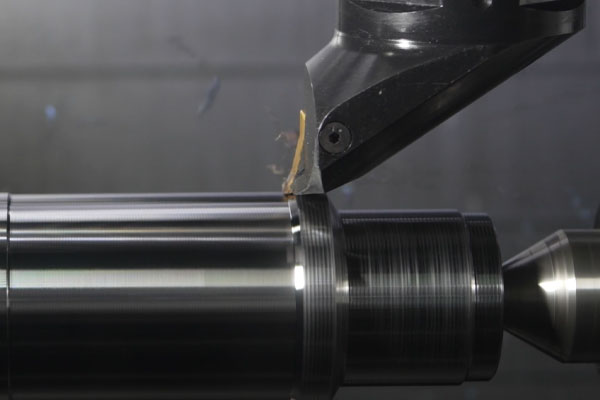
Earthmoving equipment operates in an environment that quickly destroys ordinary steel. Components must be tough, wear-resistant, and field-serviceable.
Abrasion and impact resistance. Bucket teeth and cutting edges scrape against rock and soil. Materials like Hardox 450 (450 HB) or manganese steel (Mn13) are used. These are difficult to machine (high hardness requires carbide tools, slow speeds). Machining often involves plasma cutting or waterjet profiling, followed by CNC drilling and milling of mounting holes.
Large-scale machining. Excavator booms and arms are weldments up to 10m long. Machining is performed on large traveling-column milling machines or gantry mills (work envelope >5m x 2m x 1m). Tolerances for pivot pin bores are ±0.05mm over long distances.
Hydraulic cylinder precision. Cylinder barrels, piston rods, and glands must be leak-free under high pressure (3,000-5,000 psi). Rods are induction-hardened (45-52 HRC) and hard chrome plated (0.05-0.10mm), then polished to Ra 0.2μm. Barrel bores are honed or skived and roller burnished (SRB) to H8/H9 with cross-hatch pattern.
Undercarriage wear. Track links, pins, bushings, and rollers are case-hardened (carburized to 55-60 HRC) to survive sliding contact with ground. Centerless grinding of pins and bushings ensures precise OD tolerances (h6/h7).
Corrosion protection. Machinery exposed to rain, mud, and road salt requires robust coatings: two-component epoxy primer + polyurethane topcoat (total thickness 120-200μm). Zinc plating or zinc-nickel is used for smaller brackets and fasteners.
Chinese CNC shops serving the construction industry typically have ISO 9001, large-capacity HBM and VTLs, induction hardening lines, hard chrome plating, and assembly facilities. Major clusters: Jiangsu (Xuzhou, Changzhou) – SANY, XCMG headquarters; Shandong (Jining, Linyi) – Shantui, Lingong; Fujian (Quanzhou, Xiamen) – wheel loaders; Hunan (Changsha) – SANY, Zoomlion.
An excavator's boom and arm are large fabricated steel weldments (HSLA steel, e.g., Q345B or S355J2). Excavator arm machining involves drilling and boring pivot pin holes at both ends.
Typical machined features on an excavator arm (6m length):
Boom foot pin bore (connects to the upper frame) – diameter 100-250mm, tolerance H7, surface finish Ra 1.6μm.
Arm cylinder pivot bores – for hydraulic cylinder mounting.
Bucket pin bore (at the stick end) – with bushing seat (H7) and grease grooves.
Reinforcement plate weld prep – machined chamfers or bevels.
Tolerances for pivot bores:
Bore diameter: H7 (e.g., 120mm +0.035/+0.000)
Bore alignment (concentricity between left and right lug): 0.1mm TIR over 500mm
Surface finish (bore): Ra 1.6μm (as-bored).
Chinese shops use floor-type horizontal boring mills (HBM) with spindle diameter 130-200mm and traveling columns to machine both ends of the arm without repositioning. After machining, bores are sometimes line-bored on the assembly line.
Bucket components:
Bucket shell – fabricated from Hardox or AR steel, with CNC plasma or laser cut edges, then formed.
Bucket teeth and adapters – cast or machined from high-manganese steel or chromium white iron. Teeth have through-holes for retention pins (position tolerance ±0.3mm).
Cutting edge (blade) – thick Hardox plate, drilled for bolt holes (pattern accuracy ±0.5mm).
Side cutters and wear plates – machined from AR steel, drilled and countersunk.
Machining of bucket parts is done on large VMCs or gantry mills. For Hardox, carbide drills and end mills with low speeds/high feed are used.
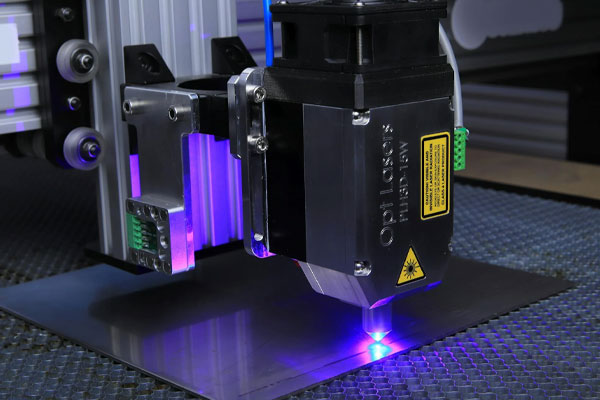
The undercarriage of a tracked vehicle (excavator, bulldozer) is a high-wear system. Bulldozer undercarriage parts are machined from case-hardened alloy steels (e.g., 20MnCr5, 16MnCr5, 40MnB).
Track links – forged or cast links with precision-bored holes for track pins and bushings. Machining on CNC machining centers (4-axis). Critical tolerances: bore diameter H7 (e.g., 60mm +0.030/+0.000), spacing between bores ±0.05mm over 200mm. After machining, links are carburized (case depth 4-6mm, surface hardness 58-62 HRC).
Track pins and bushings – pins are turned from case-hardening steel, then centerless ground to h6/h7, induction hardened. Bushings are thick-walled tubes, turned, bored, ground OD/ID, then carburized. Assembly: press bushing into one link, pin into another.
Tolerances for track pins (e.g., 50mm diameter x 150mm length):
OD tolerance: h6 (e.g., 50mm -0.013/-0.022)
Roundness: 0.005mm
Surface finish: Ra 0.2-0.4μm (ground after hardening)
Case depth: 4-6mm, hardness 58-62 HRC.
Track rollers, carrier rollers, and idlers – steel forgings or castings, turned to OD profiles, then induction hardened on the tread. Bearing bores are machined to H7, with press-fit bushings. After assembly, rollers are painted. Chinese undercarriage specialists (e.g., in Shandong, Jiangsu) produce millions of rollers annually.
Sprockets – large gears with hardened teeth. Machined from steel plate or forging: flame-cut profile, then turned and bored, teeth milled on a gear hobbing machine or 4-axis VMC. Tooth profiles are induction hardened. Tolerances: pitch circle runout 0.5mm, tooth thickness ±0.1mm.
Hydraulic cylinders power the boom, arm, bucket, and steering. Hydraulic cylinder components require high-pressure sealing and smooth operation.
Piston rods – turned from induction-hardening steel (e.g., 1045, 4140) or hard chrome plated. Steps:
Turn the rod to rough size.
Induction harden the surface (48-55 HRC, case depth 1.5-2.5mm).
Centerless grind to h6/h7 tolerance (Ra 0.2-0.4μm).
Hard chrome plate (0.02-0.05mm) and polish (Ra 0.1μm) for seal compatibility.
Machine threaded end, cross-drilled grease holes.
Tolerances for a piston rod (e.g., 80mm diameter x 1,200mm length):
OD: h7 (e.g., 80mm -0.020/-0.045)
Straightness: 0.05mm per meter
Chrome thickness: 0.03±0.01mm
Hardness (chrome): 700-800 HV.
Cylinder barrels – seamless steel tube (1026, 4130) with machined ends for mounts. The bore is honed or skived and roller burnished (SRB) to H8/H9 tolerance with cross-hatch pattern (45° angle). Surface finish Ra 0.2-0.4μm.
Pistons and glands – machined from ductile iron or steel, with O-ring grooves and wear ring seats. Groove tolerances: width ±0.05mm, depth ±0.05mm, bottom finish Ra 0.8μm.
Chinese hydraulic cylinder component suppliers often supply complete cylinders to OEMs.
Operator cabs must meet Roll-Over Protective Structure (ROPS) and Falling Object Protective Structure (FOPS) standards (ISO 3471, ISO 3449). Machined components include:
Cab frame pillars and brackets – fabricated from steel tube and plate, then machined for mounting holes, hinge brackets, and window seals.
Control lever brackets – machined from steel plate, with precision pivot holes (H7).
Seat mounts and adjustment rails – machined aluminum or steel, with threaded holes and slots.
Machining of cab parts is on VMCs. Tolerances for mounting holes: ±0.2mm; for pivot holes: ±0.05mm.
After machining, cabs are painted with high-durability paint (scratch-resistant, UV-resistant). Chinese cab suppliers provide complete painted and glazed cabs to OEMs.
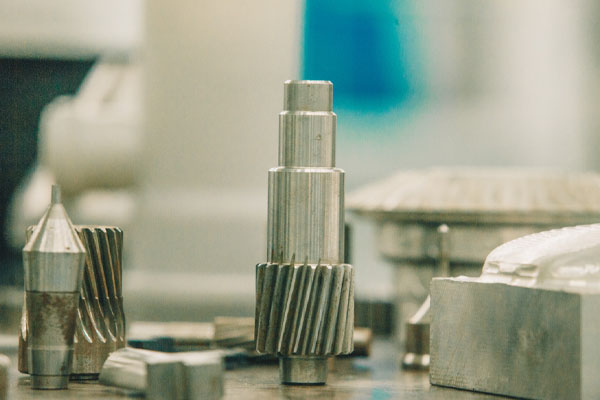
Hardox 400/450/500 (AR steel): Bucket liners, cutting edges, wear plates. Hardness 360-500 HB. Machining with carbide tools, slow speeds, high feed.
Manganese steel (Mn13, Mn18): Bucket teeth, crusher jaws. Work-hardening, machinable in as-cast state (180-220 HB). After impact, surface hardness increases to 450-550 HB. Use sharp carbide tools.
Alloy steel 4140/4340: Pins, shafts, cylinder rods. Quenched and tempered to 28-35 HRC, induction hardened to 48-55 HRC on bearing surfaces.
Case-hardening steel 20MnCr5, 8620: Track pins, bushings, rollers. Carburized to 58-62 HRC case, core 30-40 HRC.
Cast steel (GS20Mn5): Sprockets, idlers.
Copper alloys (C93200, C95400): Bushings, wear pads.
Surface treatments:
Hard chrome plating: Cylinder rods and pins (0.02-0.05mm).
Two-component epoxy + polyurethane paint: Booms, arms, frames (total 120-200μm thickness, salt spray 500+ hours).
Zinc plating (yellow or clear): Small brackets, fasteners (72-240 hours salt spray).
Zinc-nickel plating: For severe corrosion environments (500+ hours).
Specify: 'Cylinder rod: 4140 steel, induction hardened 50-55 HRC, hard chrome plated 0.025mm min, ground to h7, final surface finish Ra 0.2μm.'
Construction machinery parts require rigorous testing:
Dimensional inspection: CMM for pivot bores; large-volume laser trackers for booms; micrometers for pins and rods.
Hardness testing: Rockwell or Brinell for case depth and core.
NDT: Ultrasonic (UT) for shaft forgings; magnetic particle (MT) for surface cracks; dye penetrant (PT) for non-ferrous.
Surface finish: Profilometer for seal surfaces and chrome plating.
Plating thickness and adhesion: XRF for chrome and zinc; cross-hatch tape test.
Hydrostatic testing: For hydraulic cylinders (1.5x working pressure).
Paint thickness and adhesion: Magnetic thickness gauge; cross-cut test.
Chinese suppliers often provide FAIR, MTRs, hardness reports, and NDT reports.
Step 1: Verify heavy equipment experience. Ask for references from construction OEMs (Caterpillar, Komatsu, SANY, XCMG). Examples of similar parts.
Step 2: Check large-part capacity. Do they have traveling-column HBMs (5-15m travel)? Large VTLs for rollers (swing >1m)? Induction hardening lines for long shafts?
Step 3: Evaluate wear material machining. Can they machine Hardox 450? What tooling and speeds? For manganese steel, ask about tooling and chip control.
Step 4: Assess heat treatment and plating. In-house induction hardening? Hard chrome plating? Zinc-nickel? Coating lines for large parts (booms up to 10m)?
Step 5: Order a trial part – e.g., a bucket tooth adapter or a track pin. Verify hardness, surface finish, and material certs. Then move to a cylinder rod or boom pivot.
Major clusters: Xuzhou (Jiangsu) – XCMG; Changsha (Hunan) – SANY, Zoomlion; Jining (Shandong) – Shantui (bulldozers); Fujian – wheel loaders.
Construction parts are produced in medium to high volumes (1,000-100,000 pieces/year). Pricing benchmarks:
Excavator boom pivot bore machining (per hole): $20-50
Track pin (50mm x 150mm, case-hardened, ground): $3-6
Hydraulic cylinder rod (80mm x 1,200mm, chrome plated, ground): $25-40
Bucket cutting edge (1.5m Hardox 450, drilled): $30-60
Track roller assembly (250mm dia, machined, assembled, painted): $15-30
Lead times: For first article (programming, tooling), 4-6 weeks. Production: 3-5 weeks. Heat treatment, plating, painting add 1-3 weeks. Shipping: sea 30-45 days, air 3-7 days.
MOQ: For custom pins and bushings, MOQ 500-2,000 pieces; for large booms, MOQ 10-50 pieces. Prototype quantities (1-10 pieces) possible at higher unit cost.
Pin galling or seizing in bushing. Prevention: specify dissimilar materials (hardened steel pin vs. bronze bushing). Provide grease grooves and specify regular lubrication intervals. Surface hardness of pin 50-55 HRC.
Hydraulic cylinder rod chrome plating peeling. Prevention: require pre-plate surface finish Ra 0.4μm, adhesion test (bend or cross-hatch). Specify plating thickness and hardness.
Track link bore misalignment causing binding. Prevention: specify CMM measurement of bore positions on a jig. Use matched assembly of links.
Inadequate case depth on track pins – rapid wear. Prevention: specify case depth (e.g., 4-6mm) and hardness (58-62 HRC). Require microhardness traverse report.
Paint failure on outdoor machinery. Prevention: specify surface preparation (Sa 2.5 blast), primer and topcoat system, dry film thickness (150-200μm). Require salt spray test report (e.g., 500+ hours).
Electric and hybrid excavators. New electric drive components require precision machining of motor housings and battery enclosures (aluminum, high tolerance).
Telematics and automation. Machined brackets for cameras, GPS antennas, and sensors on booms and cabs.
High-strength lightweight materials. Use of higher-grade steel (e.g., Hardox 600) and aluminum for some components; machining these harder materials requires advanced tooling.
Additive manufacturing for wear parts. 3D printing of bucket teeth with carbide composite for extended life.
Robotic welding and machining cells. Integrated welding robot and CNC machine for large booms to reduce distortion and improve accuracy.
Earthmoving machinery operates in the toughest conditions, and its components must be machined to survive. China's heavy equipment machining industry produces construction machinery parts – from massive excavator booms and undercarriage systems to precision hydraulic cylinder rods and bucket wear parts – that meet the demands of global OEMs. By selecting suppliers with large-capacity HBMs, induction hardening, hard chrome plating, and robust quality systems, buyers can source durable, high-performance heavy equipment components for the machines that build our world. Start with a trial of a track pin or cylinder rod, verify hardness and finish, then scale up to complete undercarriage assemblies or boom pivot bores.
Ready to source precision CNC machined construction machinery components from China? Send us your drawings and volume estimates. We'll connect you with specialized manufacturers experienced in excavator, bulldozer, and wheel loader components, with in-house heat treatment, plating, and painting. Free DFM feedback and quoting available.
A: Hardox 500 (500 HB) or manganese steel with tungsten carbide hardfacing is recommended. For less severe conditions, Hardox 400 is sufficient. Chinese suppliers can provide pre-drilled cutting edges to OEM drawings.
A: Yes, with carbide drills and end mills (AlTiN coated), lower speeds (20-40 m/min), and higher feed rates. Expect shorter tool life. For plasma or laser profiling, they often cut then machine holes.
A: Surface hardness 48-55 HRC with case depth 1.5-2.5mm. The core should be 25-30 HRC for toughness. Chinese shops provide hardness test reports.
A: Bore distortion during carburizing can occur. Specify that the bore be finished ground after heat treatment (not just turned). Many Chinese shops offer bore grinding.
A: Yes, many undercarriage specialists assemble complete track chains (links, pins, bushings) and pre-stress them. They also supply pressed roller assemblies.
A: Honed tube stock 4-6 weeks, then CNC machining of ends (flanges, mounts) 2-3 weeks. Total 6-9 weeks. For large quantities, stock tubes may be kept.
A: Yes, but they usually buy cast teeth and finish-machine the retention pin holes and surfaces. Full machining from solid is rare due to work-hardening. Ask about casting partners.
A: For standard service, 500-1,000 hours to red rust is typical. For coastal or mining applications, 1,000+ hours with edge primer. Chinese paint suppliers offer epoxy/polyurethane systems meeting these specs.
Ready to build durable construction machinery components in China? Contact our engineering team with your part specifications. We'll match you with qualified suppliers experienced in earthmoving equipment, from undercarriage parts to hydraulic cylinders and booms. Free consultation and sample support.

Phone&WhatsApp:+86 13410452313
Email:gavinlee@zhuoguanmetal.com
Address: Room 805-1, Building A, Block 1, Xingzhan Plaza, No. 446, Shajing Nanhuan Road, Shatou Community, Shajing Street, Bao'an District, Shenzhen, Guangdong, China 518104